
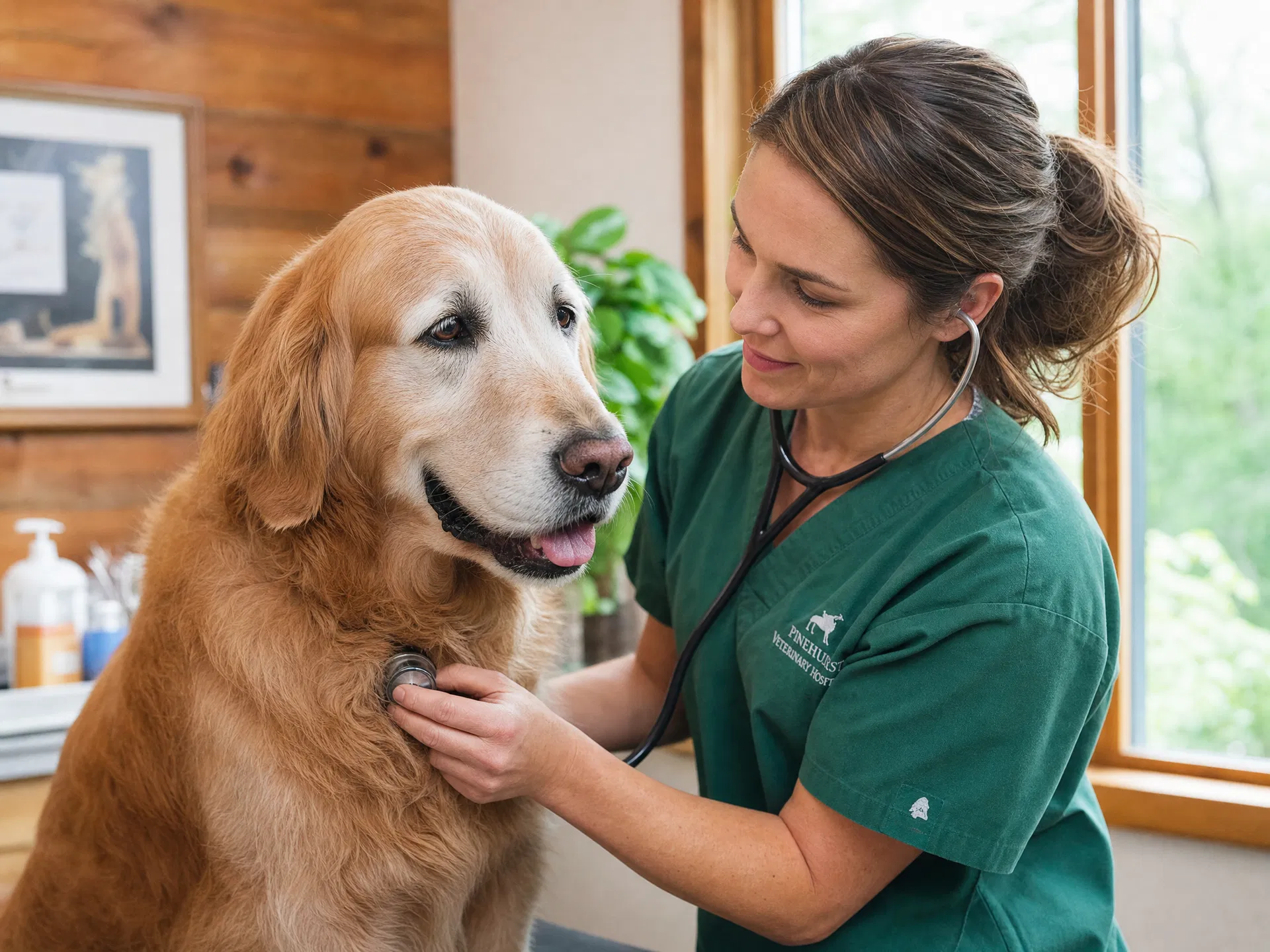
The transition from adult to senior dog happens gradually — and often, owners don't notice the changes until they're quite significant. Understanding what's happening inside your dog's body as they age allows you to catch problems early and make the most of their golden years.
When Is a Dog 'Senior'?
The answer depends on size. Smaller breeds (under 10kg) tend to live longer and may not be considered senior until 10–12 years. Medium breeds (10–25kg) are generally senior from around 8–9 years. Large breeds (25–45kg) age faster and are senior from 7 years. Giant breeds (over 45kg) may be senior from as young as 5–6 years.
The Key Changes to Watch For
Joints and Mobility
Osteoarthritis is one of the most common conditions in senior dogs, affecting an estimated 1 in 5 dogs over 7 years old. Early signs include stiffness after rest, reluctance to climb stairs or jump into the car, and a slight change in gait. Many owners attribute this to 'just getting old' — but arthritis is a painful condition that responds well to treatment.
- Watch for: slow to rise after sleeping, lagging on walks, licking joints
- Treatment options: anti-inflammatory medication, joint supplements, physiotherapy, weight management
- New options: monthly injectable medication (Librela for dogs) that can dramatically improve quality of life
Dental Disease
By age 7, most dogs have some degree of dental disease. Tartar accumulation, gum recession, and tooth root infections are common and cause chronic, low-grade pain that affects eating, mood, and overall wellbeing. Annual dental checks and professional cleaning under anaesthesia can make a significant difference.
Weight Changes
Senior dogs typically have lower energy requirements as their metabolism slows. Without dietary adjustment, weight gain is common — and excess weight dramatically worsens arthritis and increases the risk of diabetes and heart disease. Conversely, unexplained weight loss in a senior dog can signal kidney disease, cancer, or hyperthyroidism (in cats).
Cognitive Changes
Canine Cognitive Dysfunction (CCD) — sometimes called 'doggy dementia' — affects around 28% of dogs aged 11–12 and up to 68% of dogs aged 15–16. Signs include disorientation, altered sleep patterns, house soiling, and changes in social interaction. While there is no cure, management strategies and medications can slow progression and improve quality of life.
Organ Function
The kidneys, liver, and heart all work harder as a dog ages. Chronic kidney disease (CKD) is particularly common in older dogs and cats — and by the time clinical signs appear, up to 75% of kidney function may already be lost. This is why bi-annual blood and urine testing is so valuable in senior pets: it can detect disease at a stage where dietary management can significantly slow progression.
Tip: We recommend bi-annual health checks for dogs over 7 years old. A lot can change in 6 months at this life stage — and early detection is the single most effective tool we have.
Making the Most of the Senior Years
The senior years can be some of the most rewarding of your dog's life — they're often calmer, more bonded, and deeply content. With the right care, many dogs remain active and happy well into their teens. The key is proactive monitoring, appropriate exercise, a senior-formulated diet, and regular vet check-ins.
Is your dog approaching their senior years? Book a senior wellness check and let's create a personalised health plan for them.