
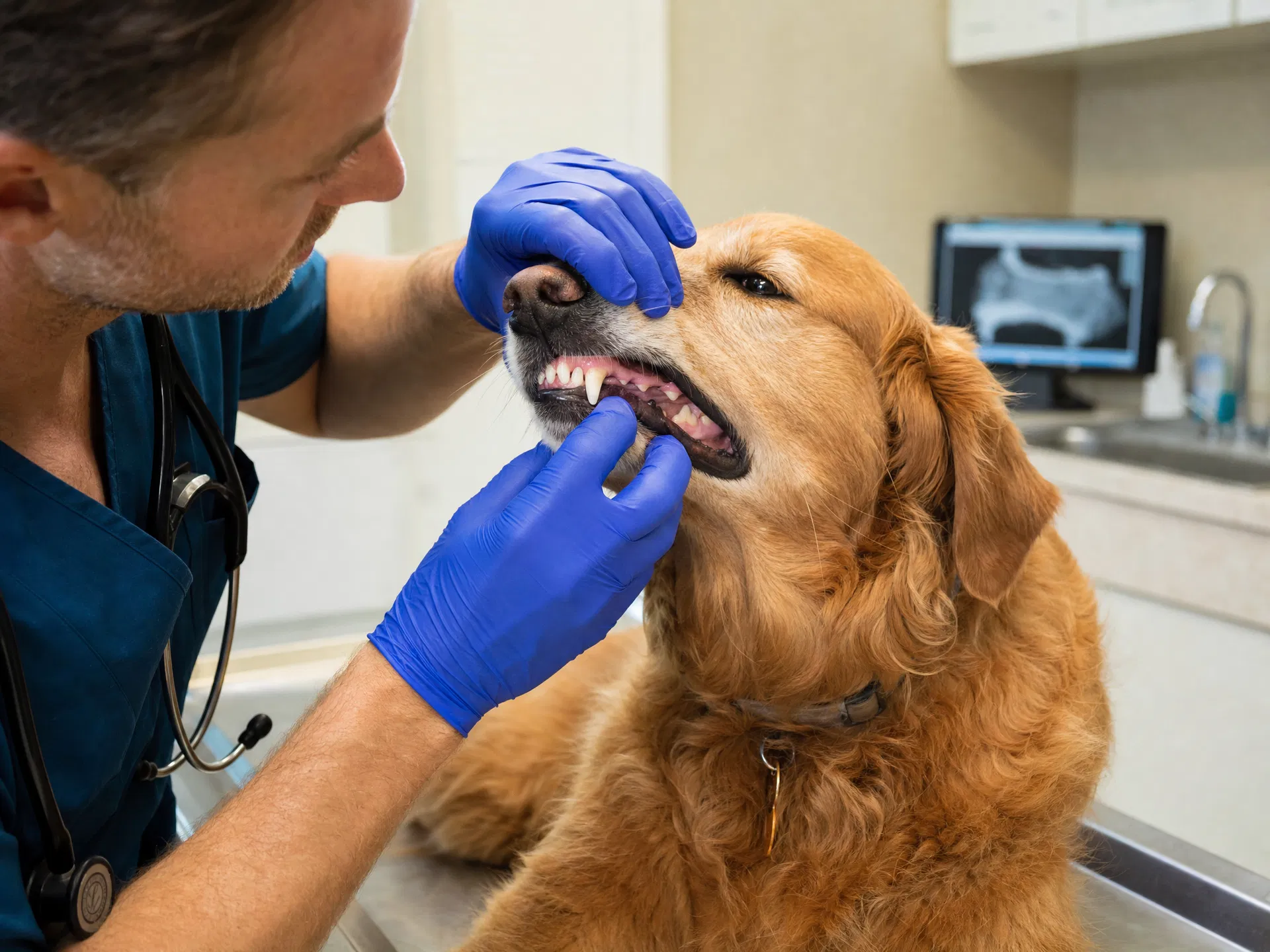
Cats are masters at hiding discomfort. In the wild, showing pain or weakness is dangerous — so even a cat in significant dental pain will often continue eating, grooming, and behaving relatively normally. This makes dental disease one of the most under-diagnosed conditions in pet cats.
Studies suggest that up to 70% of cats over 3 years old have some degree of dental disease. Left untreated, this causes chronic pain, difficulty eating, and can even affect the heart, kidneys, and liver as bacteria from the mouth enter the bloodstream.
7 Signs Your Cat's Teeth Need Attention
1. Bad Breath (Halitosis)
A healthy cat's breath shouldn't be pleasant, but it also shouldn't be offensive. Truly foul-smelling breath — often described as 'rotten' or 'fishy' — is one of the most reliable indicators of dental disease, gum infection, or tooth resorption.
2. Drooling More Than Usual
While some cats drool slightly when very relaxed or happy, excessive or sudden-onset drooling — especially if the saliva is discoloured or blood-tinged — warrants a dental examination.
3. Pawing at the Face or Mouth
If your cat repeatedly paws at their mouth or rubs their face against furniture, they may be trying to relieve oral discomfort. This is often dismissed as grooming behaviour, but if it's new or frequent, it's worth investigating.
4. Dropping Food or Eating on One Side
This is the sign most owners miss. If your cat drops kibble while eating, chews only on one side of their mouth, or seems to take longer to finish meals, they may be avoiding a painful tooth. Many owners assume their cat is 'just being fussy' when in fact they're in pain.
5. Red, Swollen, or Bleeding Gums
Healthy gums should be pale pink and firm. Red, inflamed, or bleeding gums (gingivitis) are a sign of active infection and inflammation. You may be able to spot this by gently lifting your cat's lip — though many cats won't tolerate this if their mouth is sore.
6. Yellow or Brown Deposits on Teeth
Tartar (calculus) appears as yellow to brown crusting along the gum line, particularly on the upper back teeth. Once tartar forms, it can only be removed under anaesthesia — brushing alone won't shift it.
7. Changes in Grooming or Behaviour
A cat in oral pain may groom less (because opening their mouth hurts), become more withdrawn, or show increased irritability — particularly if you touch near their face. Any unexplained behaviour change in a cat over 3 years old is worth discussing with your vet.
Tip: The best time to check your cat's teeth is during a relaxed moment — perhaps when they're sleepy after a meal. Gently lift the lip and look for redness, tartar, or missing teeth. Make it a monthly habit.
What Happens at a Dental Check?
At Mulgrave Vet, we include a dental assessment in every routine health check. If we find significant disease, we'll discuss a dental procedure under general anaesthesia, which includes scaling and polishing, tooth extractions if needed, and a full oral examination with dental probing. Most cats recover quickly and owners are often amazed at the improvement in their cat's energy and appetite afterwards.
Concerned about your cat's teeth? Book a dental check — catching problems early means simpler, less costly treatment.